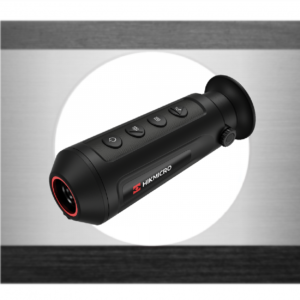


Thermal Imaging

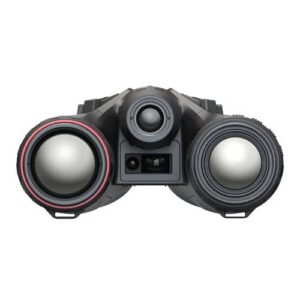
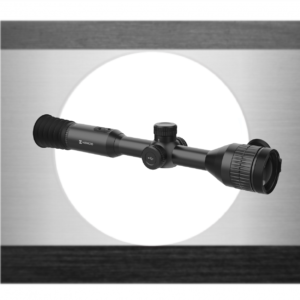
Shop the UK’s best selection of thermal imaging scopes, thermal binoculars, thermal rifle scopes, and thermal monoculars from the world’s leading brands. Our range covers everything from compact clip-on thermal scope attachments and thermal imaging scope add-ons to full standalone thermal vision scopes and thermal imaging binoculars — purpose-built for hunting, stalking, wildlife observation, and birding. Unlike night vision, every thermal optic in our range works in complete darkness, heavy rain, fog, and full daylight.

Whether you’re looking for the best thermal imaging scope for hunting, a budget thermal imaging scope, or a premium thermal scope with rangefinder, we carry top-rated models including the Hikmicro Stellar ,Pulsar Helion, Pantera EX 640,  NocPix Bolt L35R thermal imaging scope range. We also stock thermal imaging scopes for AR15, thermal imaging scopes for air rifles, thermal crossbow scopes, and compact thermal scopes for every platform and quarry — from coyote and fox to deer stalking and pest control.

All orders include full UK manufacturer warranty and expert after-sales support. Browse our complete range of thermal scopes, thermal imaging binoculars, and thermal optics below — filtered by brand, budget, and use case to help you find the right optic, first time.
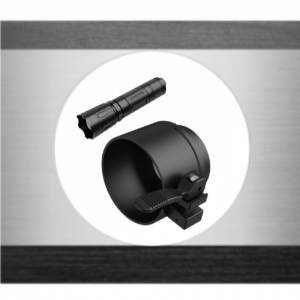
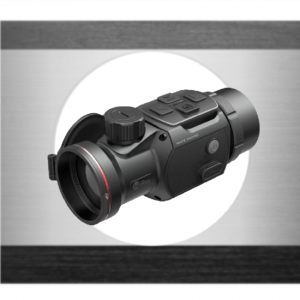
Thermal Explained

What is NETD?

NETD stands for Noise Equivalent Temperature Difference, and it’s one of the most important specs in thermal optics.

What it actually means

NETD measures how small a temperature difference a thermal sensor can detect.

  • It’s usually expressed in millikelvin (mK)
  • Example: <30 mK means the device can detect temperature differences as small as 0.03°C

What is pixel pitch?

Pixel pitch is the distance between pixels on a thermal sensor. Smaller pixel pitch (e.g. 12μm) means more pixels and sharper image detail.

Why it matters:

Smaller pitch = better clarity, improved detection, and more compact devices.

Why does pixel resolution matter in thermal optics?

Pixel resolution determines how much detail a thermal device can display. Higher resolutions—such as 640×512—use more pixels to detect heat, producing sharper images, clearer target identification, and better digital zoom. Lower resolution devices can still detect heat but often lack the detail needed to clearly distinguish objects.

Frame Rate Explained

Frame rate, measured in Hz, is how many times per second the image refreshes. Higher frame rates—like 50–60 Hz—provide smoother motion, less lag, and better tracking of moving targets, while lower frame rates can appear more choppy when scanning or following movement.

Shopping Basket
Scroll to Top